Tragic Incident: Good Samaritan Fatally Stabbed, Mike Pikos Charged with Murder
The quiet community around Melbourne has been gripped by a profoundly tragic event, as an act of courageous intervention by a 'Good Samaritan' turned fatal. In the aftermath, 18-year-old Mike Pikos has been charged with murder, facing the legal system amidst intense public scrutiny and sorrow. This incident not only highlights the inherent risks faced by those who step in to help but also initiates a complex legal process for all involved.
Initial reports indicate that the incident involved a selfless individual, now widely recognized as a Good Samaritan, who intervened in a situation, ultimately losing their life. Such acts of bravery, while commendable, often carry unforeseen dangers. For Mike Pikos, the immediate consequence was an appearance before the Melbourne Magistrates Court, where he was formally charged with murder and subsequently remanded in custody. The charges signify the gravity of the allegations and the serious path ahead in the legal system.
Mike Pikos in Court: Charges and Remand Proceedings
The legal journey for Mike Pikos began swiftly after the tragic event. On a Sunday, he appeared before the Melbourne Magistrates Court, a standard procedure for individuals facing serious charges such as murder. At just 18 years old, Pikos now confronts the full weight of the justice system.
- Court Appearance: The initial court appearance, often referred to as an arraignment, is a crucial first step where the accused is formally informed of the charges against them.
- Charges: Mike Pikos has been charged with murder, along with unspecified "same offences," implying additional related charges. These charges are allegations, and under the law, Pikos is presumed innocent until proven guilty beyond a reasonable doubt.
- Remand in Custody: The decision to remand Pikos in custody means he will remain incarcerated until his next court appearance or until bail is granted. This is common in murder cases, where the court assesses factors like flight risk and potential danger to the community.
- Legal Process Ahead: The court process will involve further hearings, evidence presentation, potentially a committal hearing to determine if there's enough evidence for a trial, and ultimately, if it proceeds, a trial by judge or jury. This is often a lengthy and intricate process.
The early stages of such a high-profile case are often characterized by a scarcity of detailed information, as investigations are ongoing and legal teams are preparing their arguments. Public understanding relies heavily on careful reporting and adherence to the principle of due process.
The Noble Act of a Good Samaritan and Its Tragic End
The heart of this devastating story lies in the selfless act of a Good Samaritan. This term refers to an individual who voluntarily helps another person in distress, often at personal risk, without any expectation of reward. Such acts are foundational to community spirit and often inspire widespread admiration and respect.
Understanding the Good Samaritan Principle
While the term 'Good Samaritan' is widely understood in a moral context, many jurisdictions also have 'Good Samaritan laws' designed to protect individuals who provide reasonable assistance to those in peril from liability. However, these laws primarily address civil liability, not the tragic criminal outcomes that can sometimes occur when intervening in dangerous situations.
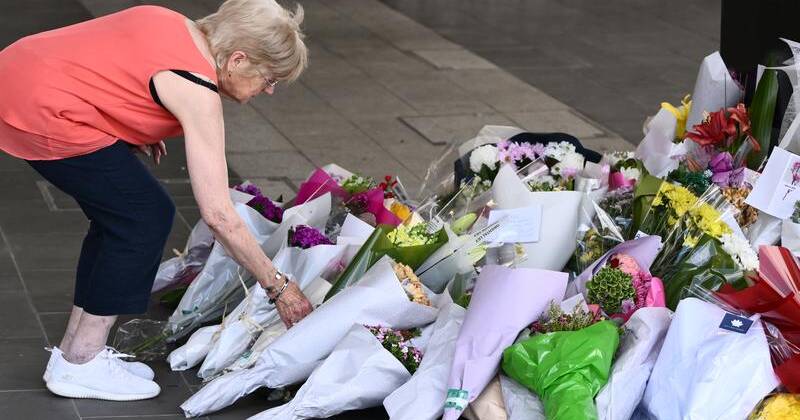
The individual who lost their life in this incident is being remembered as a hero, a testament to their courage and willingness to protect others. Their intervention, while tragically ending in their death, highlights a profound human instinct to help those in need. The community grieves this loss, acknowledging the immense sacrifice made.
Such incidents serve as a stark reminder of the unpredictable nature of conflict and the potential for grave consequences, even for those attempting to de-escalate or aid others. It sparks discussions about personal safety, community responsibility, and the support systems available for victims and their families.
Community Impact and the Search for Context: Mike Pikos Mill Park
Tragedies of this nature invariably send ripples through communities, prompting both collective grief and a desire for understanding. When an incident involves young individuals, the impact can be particularly profound, raising questions about prevention, support, and the circumstances that lead to such events.
The public's search for information often extends to understanding the local context surrounding the individuals involved. The search query "Mike Pikos Mill Park" exemplifies this natural inclination. Mill Park, a suburb in Melbourne, is often associated with the case in public discourse, as people seek geographical anchors to better comprehend the story. While initial official reports may not always extensively detail residential or specific local connections, the public's desire to understand the potential ties of individuals like Mike Pikos to particular areas, such as Mill Park, reflects a need to localize the narrative and find relevance within their own communities.
At this early stage, specific details linking Mike Pikos directly to Mill Park in the context of the incident or his background are not extensively elaborated in initial public statements. This often leaves a gap between public curiosity and the information legally available for release during an ongoing investigation. Nevertheless, the community's engagement, whether through media consumption or online searches, demonstrates a collective effort to process and respond to these challenging events.
For more insights into the charges and the geographical context often sought by the public, you can refer to Mike Pikos: Unpacking the Charges and Mill Park Context Gap. Additionally, for further details on the immediate legal aftermath, read Mike Pikos: 18-Year-Old Remanded After Melbourne Court.
Navigating the Legal Landscape: What Happens Next?
Following a charge of murder and remand in custody, the legal process is methodical and governed by strict procedures to ensure fairness for both the accused and the pursuit of justice for the victim.
Key Stages in the Legal Process:
- Further Hearings: Pikos will attend subsequent court hearings, where progress in the investigation will be reviewed, and potential bail applications might be made.
- Evidence Gathering: Police and prosecutors will continue to gather and consolidate evidence, including witness statements, forensic analysis, and any available CCTV footage.
- Committal Hearing: If the prosecution believes there is sufficient evidence, a committal hearing will be held. This hearing determines if there is enough evidence for the case to proceed to a higher court for trial.
- Trial: If committed for trial, the case will be heard in a higher court (e.g., the Supreme Court in Victoria) before a judge and potentially a jury. During the trial, both the prosecution and defense present their cases, call witnesses, and cross-examine evidence.
- Verdict and Sentencing: If found guilty, a sentence will be handed down by the court, taking into account all circumstances of the crime and the offender.
Throughout this entire process, Mike Pikos will have the right to legal representation, ensuring that his defense is properly presented. The principle of innocent until proven guilty is paramount, underscoring the importance of allowing the legal system to run its course without prejudgment.
For communities impacted by such events, understanding the legal framework can help manage expectations and reinforce trust in the justice system's ability to thoroughly investigate and adjudicate these serious matters. It also highlights the critical role of accurate and responsible reporting in maintaining public confidence and avoiding speculation.
Conclusion
The stabbing that tragically took the life of a Good Samaritan has left an indelible mark on the community, bringing grief for the hero lost and initiating a complex legal journey for Mike Pikos, who stands charged with murder. As the legal proceedings unfold, the focus remains on ensuring a fair and just process for all parties involved, while the community grapples with the profound implications of such violence. The dedication of the Good Samaritan will be remembered, underscoring the human capacity for courage even in the face of grave danger. It is imperative to allow the court to meticulously examine all evidence and circumstances surrounding this somber event, ensuring that justice is served with integrity and diligence.